Back

As FSOFT expands into numerous markets, more employees are going onsite to developed countries such as America, Japan, Germany, France, Canada, Australia, Korea, and Singapore. Let’s gain insight into the integration process for both onsite employees and their children, also known as FSOFT Small and see the world from their unique perspective as they navigate new surroundings, adapt to a new lifestyle, and immerse themselves in a new culture. 

The FSOFT family embarks on a new adventure when starting a life in a different country. It’s a time of fresh experiences and novel challenges. It takes time for FSOFTers and their families to adjust to living in a new environment, including cultural differences, but eventually, they settle in. While parents pursue their careers, FSOFT Small can access the world’s top educational systems.

With the help of the company, senior colleagues, and the Vietnamese community, onsiters can overcome initial obstacles and adjust to a multifaceted life, enhancing family connections and love.
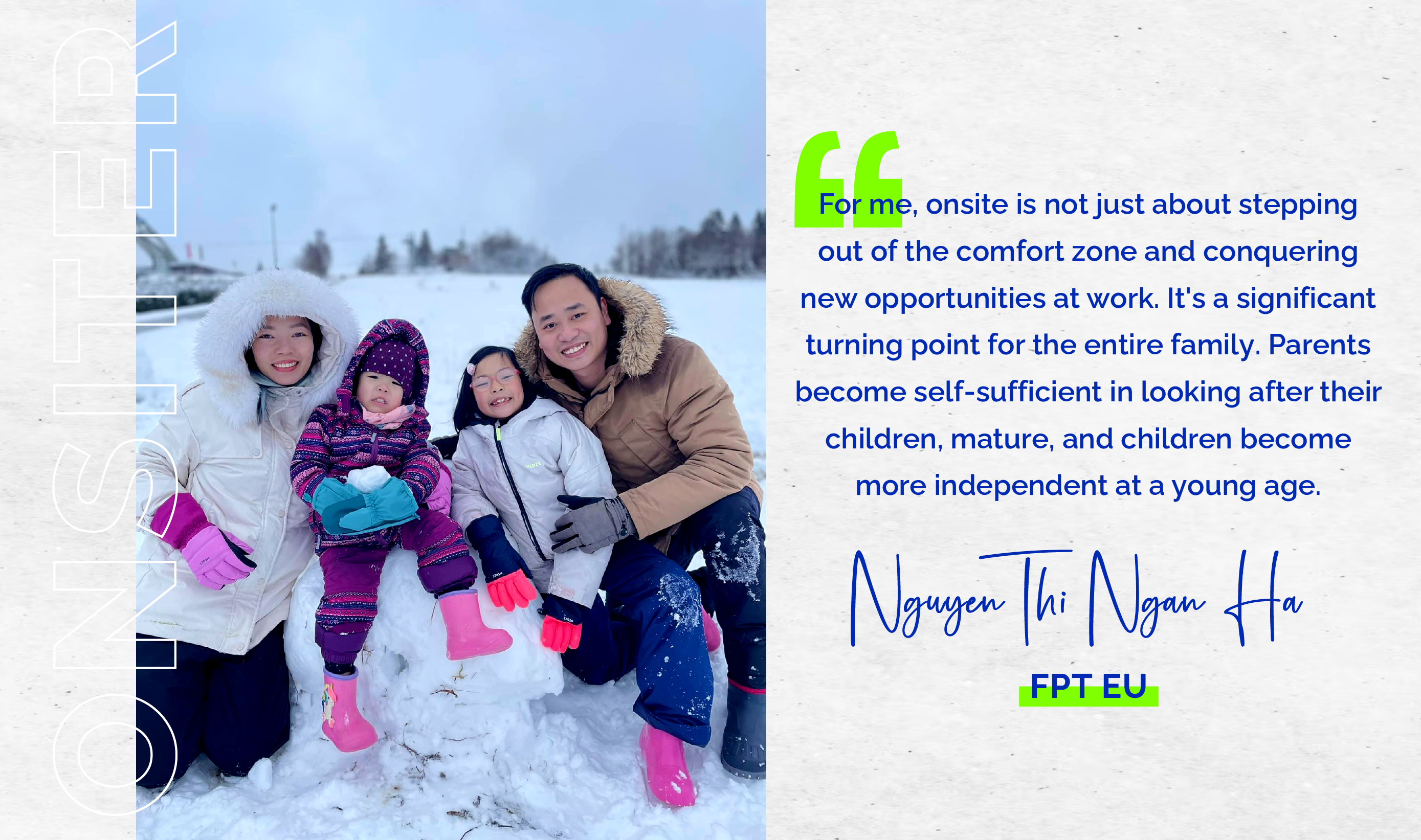
On the day the family arrived in Germany, Ms. Nguyen Thi Ngan Ha’s oldest child (FPT EU) was preparing to enter first grade, while the second child was only 9 months old. Naturally, the couple’s main priorities were the educational and medical conditions available for their young children.

Initially, Ms. Ha and her husband had to work from home to take care of their children. It took six months of living in Germany for their children to be enrolled in school. For Ms. Ha, caring for her children independently posed a challenge, but it also gave her the chance to spend more time with them and support their integration process in Germany

When Ms. Ha’s child first arrived at her new school, she spoke with the teacher and requested assistance. Fortunately, the teacher was very friendly and eager to help the child. Over time, the child was able to adapt and integrate with her peers, communicating and playing with ease. The child’s German also improved thanks to tutoring sessions at the school. Additionally, the school offered talent clubs in activities such as piano, art, chess, and tennis, which allowed students to work on their language skills while socializing with others.

“For me, onsite is not just about stepping out of the comfort zone and conquering new opportunities at work. It’s a significant turning point for the entire family. Parents become self-sufficient in looking after their children, mature, and children become more independent at a young age”, Ms. Ha shared.

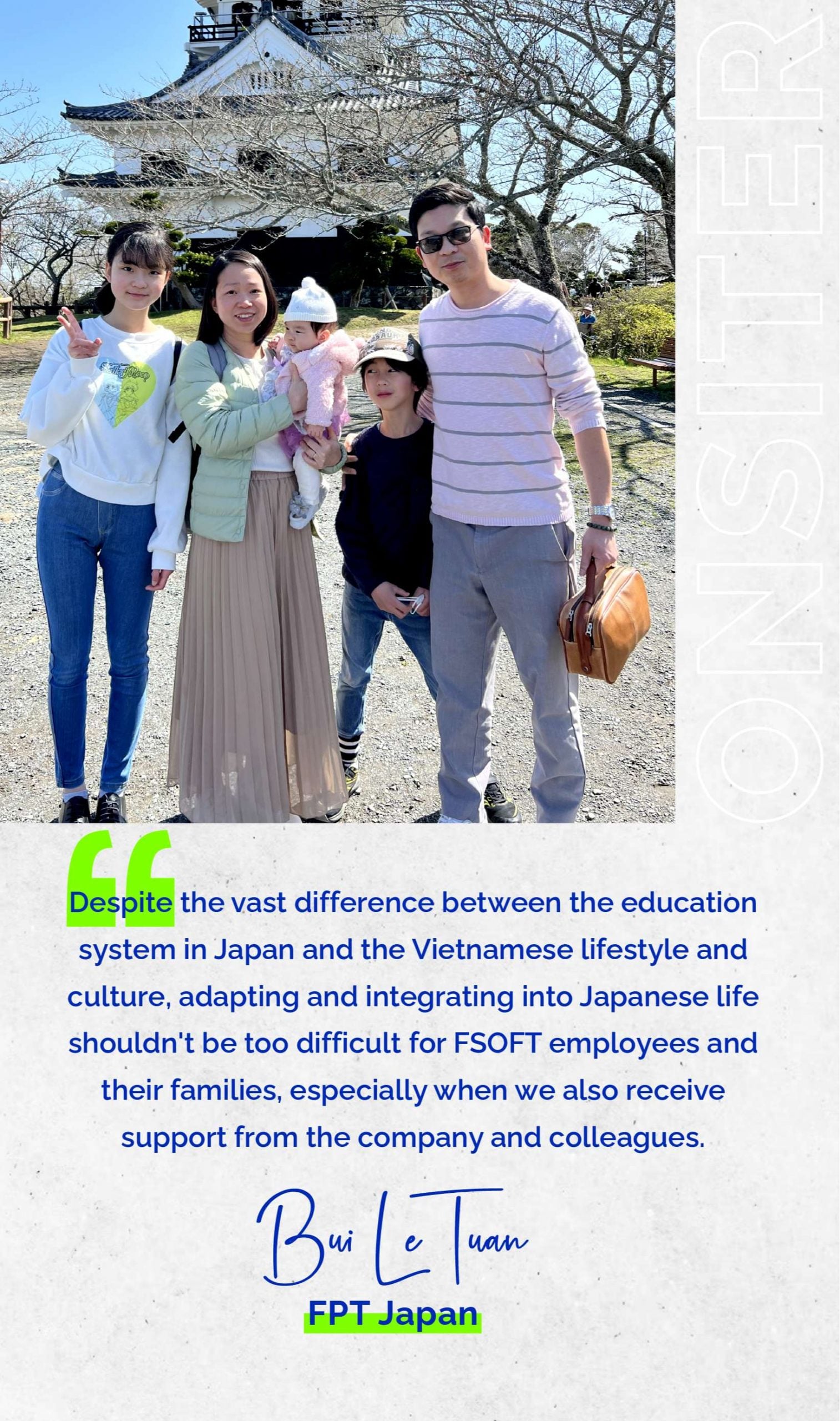
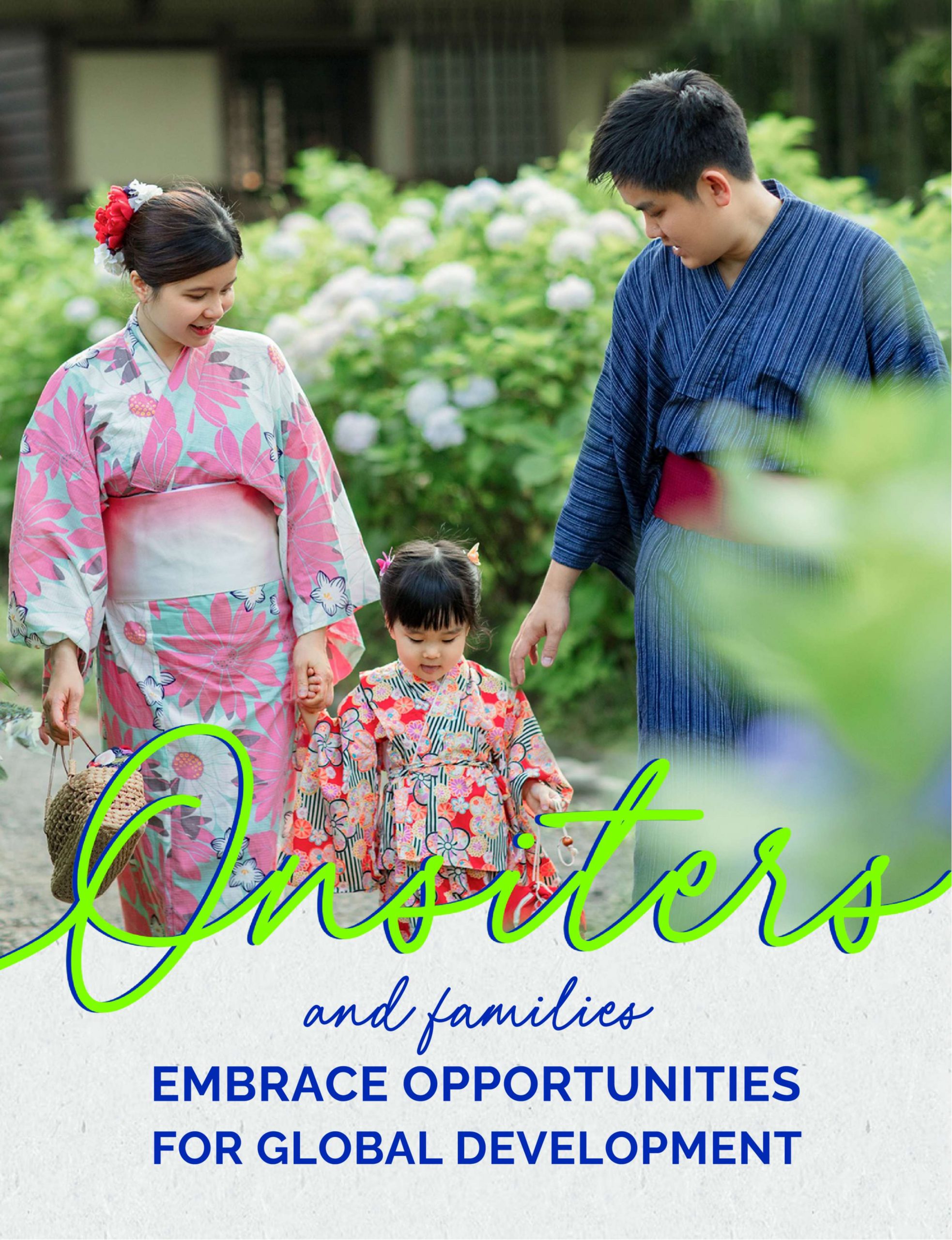
Bui Le Tuan (FPT Japan) made a bold decision to move his entire family to Japan when his eldest child was in 2nd grade and his youngest was only 3 years old. Together, they embraced the opportunity to start a new life in a foreign country, while discussing the advantages and disadvantages of such a big move. Mr. Tuan also recognized the language barrier as an obstacle, so the whole family learned Japanese in preparation for the move, making the transition smoother. “We knew that Japanese is considered the second most difficult language in the world, so it was important for us to learn it beforehand,” Mr. Tuan shared.

According to Mr. Tuan, administrative procedures in Japan are open to the public and easy to access. Hence, he could easily enroll his children in the school closest to their home. When his family first arrived in Japan, they stayed in Kawasaki, a lively city in Kanagawa province, near Tokyo. The teachers and schools in Kawasaki have extensive experience working with international students, which makes integration easier, especially when children’s Japanese language skills are not yet strong. Mr. Tuan feels secure knowing that his children are in good hands. Additionally, since his children are still young, living in a local environment and engaging with Japanese friends and teachers, Japanese will likely become their primary language. Nonetheless, to ensure that their children do not forget their Vietnamese roots, Mr. Tuan and his wife speak Vietnamese at home and allow their children to learn Vietnamese twice a week through online classes with a teacher in Vietnam.

Mr. Tuan believed that the learning environment in Japan is suitable for his children and his family’s wishes. “Despite the vast difference between the education system in Japan and the Vietnamese lifestyle and culture, adapting and integrating into Japanese life shouldn’t be too difficult for FSOFT employees and their families, especially when we also receive support from the company and colleagues”, he said.

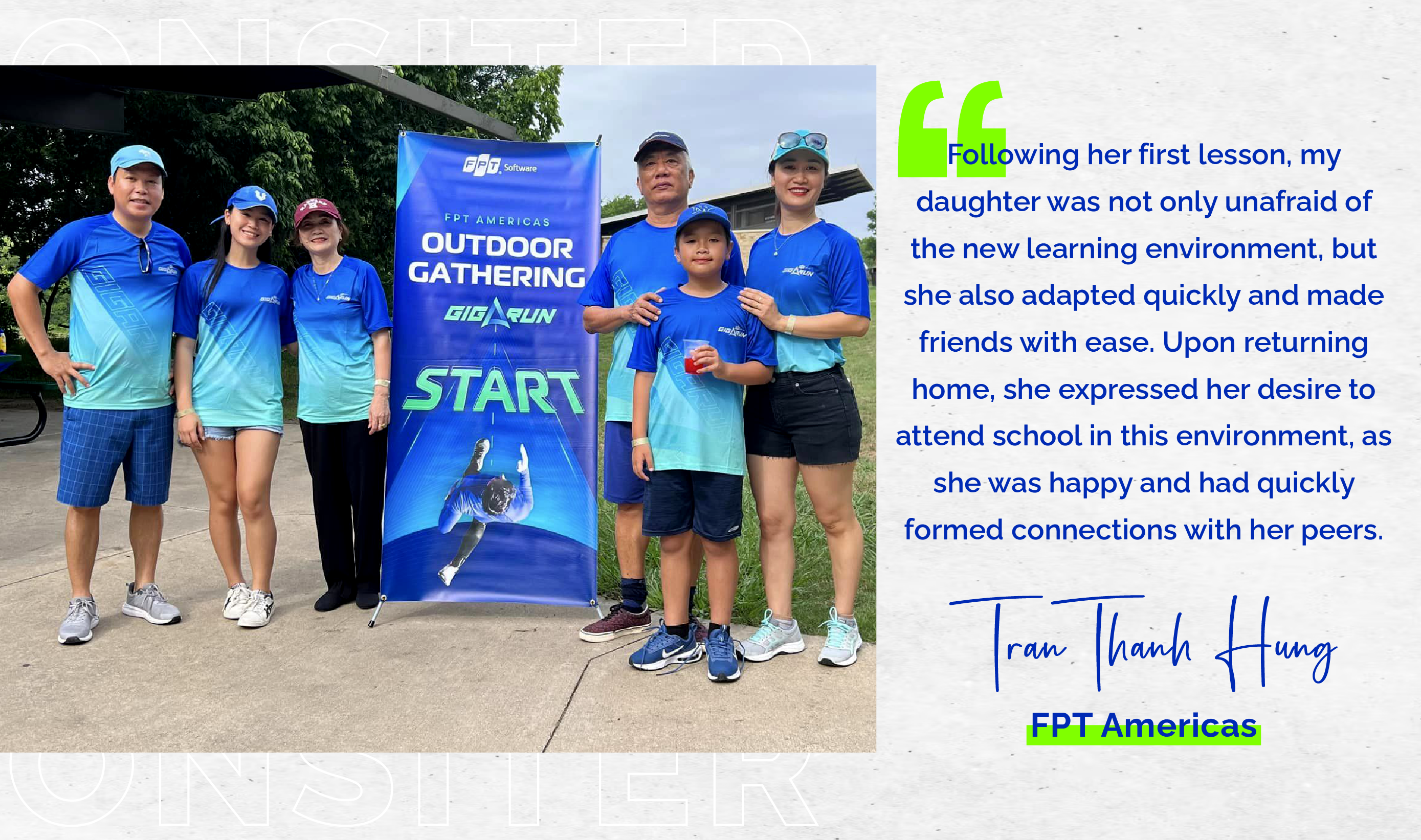
Tran Thanh Hung (FAM), an onsiter in Dallas, shared that the learning environment in the US has had a positive influence on his children’s development. After researching the school’s rankings, he contacted them directly to enroll his children. On the first day of school, his daughter was greeted with enthusiasm as the class watched a slide introducing her to her new friend, which left a lasting impression on her.

“Following her first lesson, my daughter was not only unafraid of the new learning environment, but she also adapted quickly and made friends with ease. Upon returning home, she expressed her desire to attend school in this environment, as she was happy and had quickly formed connections with her peers”, he shared.

In the US or Japan, children are the top priority. Families always spend time with their children, participating in extracurricular activities at school such as going to the park or celebrating holidays.

Before relocating his entire family to Japan, Mr. Bui Le Tuan (FPT Japan) sought advice from colleagues who had previously done the same. In addition, he visited the homes of many colleagues to hear firsthand accounts of everyday life in Japan. “Choosing the right companion was my greatest and most fortunate decision – a friendly neighbor who happened to be Mr. Trinh Van Thao’s family. I had worked with Mr. Thao for a long time, and our families shared many similarities. Our eldest children were even the same age. This provided our family with a sense of comfort and confidence as we embarked on our new life in Japan.”

Nguyen Thi Ngan Ha (FPT EU) found it relatively easy to locate information in Germany, especially since she had colleagues in the company who shared their past experiences and recommended some suitable schools for children. She always feels connected and supported by her fellow FSOFTers in the area.

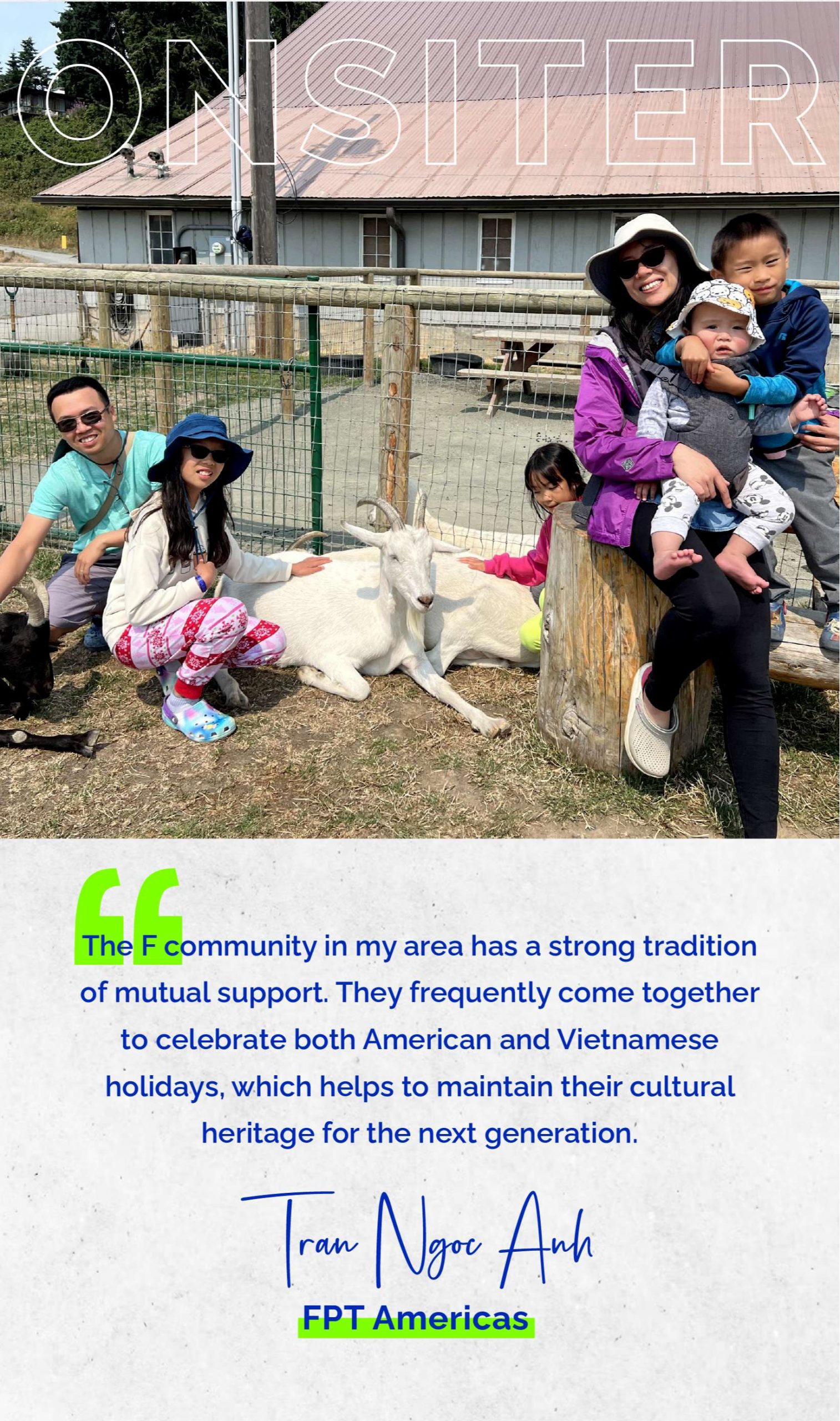
As for Ms. Tran Ngoc Anh (FAM), the family’s journey to America originated from her husband – an onsiter of FSOFT. Having a great opportunity to go to FPT Americas, he brought his whole family to America to experience a new life. Ms. Ngoc Anh spent her early days looking after her child and helping her family adjust to their new surroundings. Thanks to the help of FSOFT employees and Facebook community groups, she was able to find the right school for her child. To improve her English, she also searched for flexible jobs. Eventually, Ms. Ngoc Anh joined FSOFT herself and worked alongside her husband after her children settled into their new school.

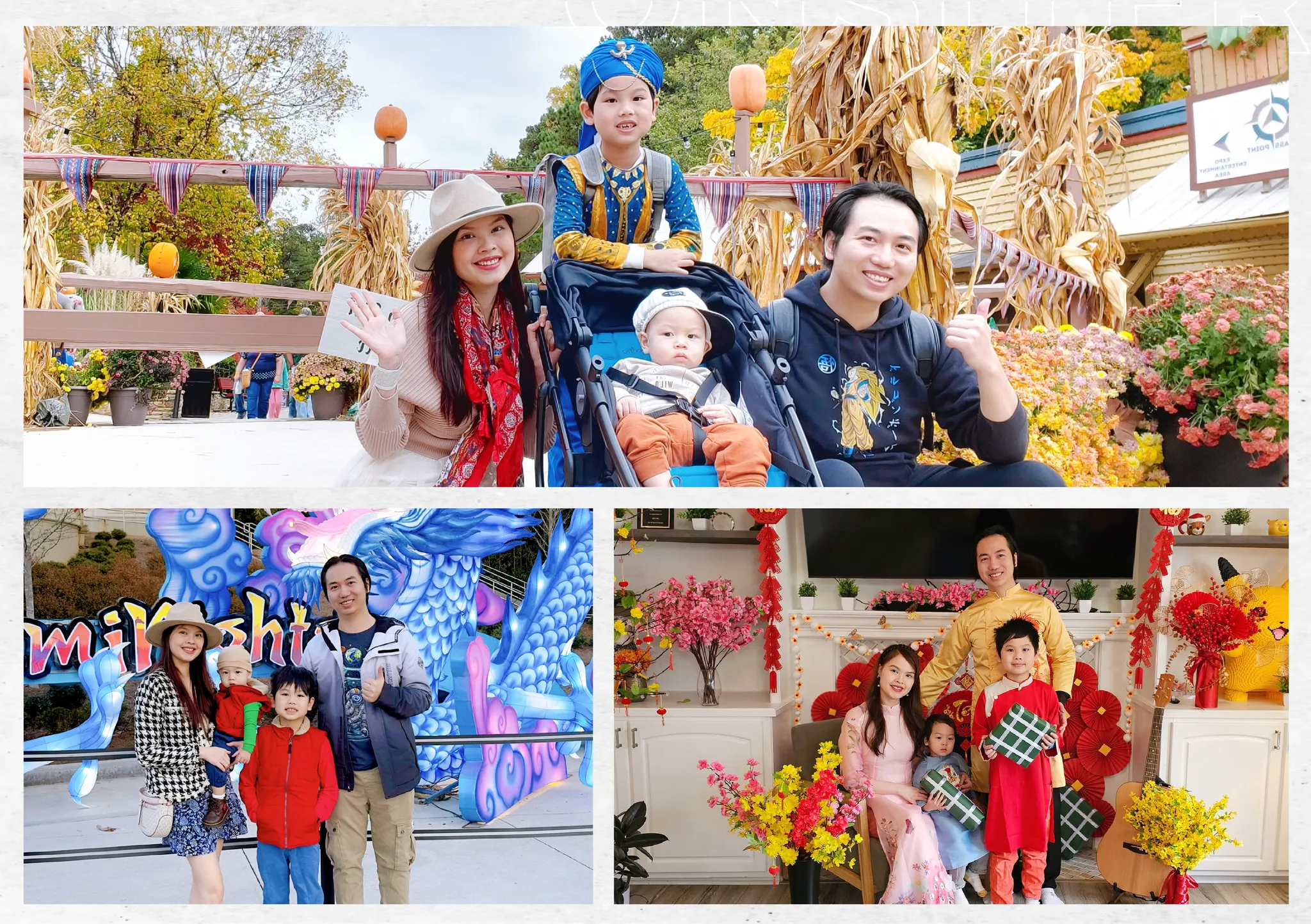
The F communities in the area of Mr. Hung and Ms. Ngoc Anh have a strong tradition of mutual support. They frequently come together to celebrate both American and Vietnamese holidays, which helps to maintain their cultural heritage for the next generation.

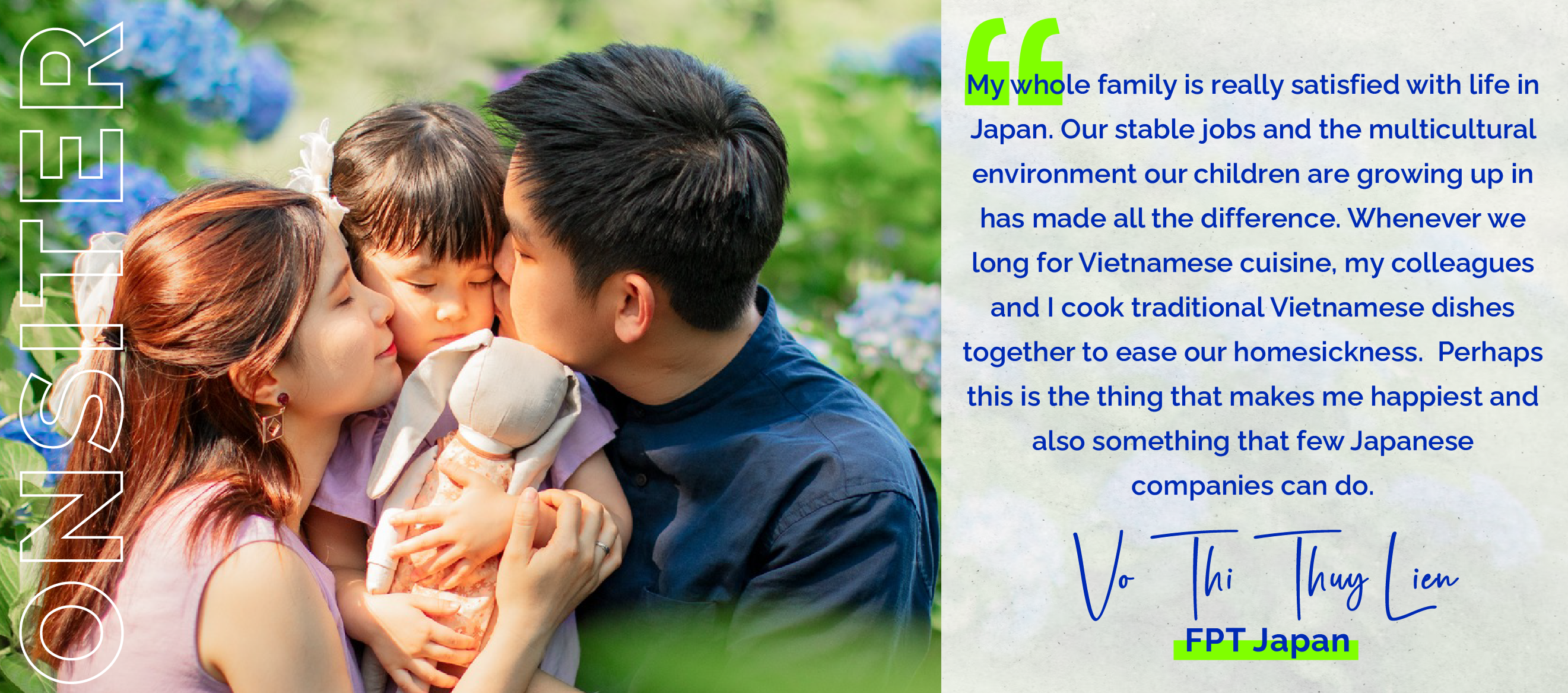
Likewise, Ms. Vo Thi Thuy Lien feels very lucky because both she and her husband work together at FPT Japan so they have a strong connection, understanding and sympathy for each other about work and life. “My whole family is really satisfied with life in Japan. Our stable jobs and the multicultural environment our children are growing up in have made all the difference. Whenever we long for Vietnamese cuisine, my colleagues and I cook traditional Vietnamese dishes together to ease our homesickness. Perhaps this is the thing that makes me happiest and also something that few Japanese companies can do.”

FSOFTers residing in developed nations not only enjoy cleaner, more modern living environments, but also have access to advanced education and healthcare systems. In addition, it provides an opportunity for small families to become more closely connected. Husbands are more involved in household chores and childcare, while families living far apart can reunite and provide mutual support. FSOFTers in countries such as Japan, America, Germany, and Singapore are accustomed to families spending time together by going to the supermarket every weekend or traveling to beautiful destinations. The company sometimes organizes traditional holidays of Vietnam and the local country together, or simply goes camping in the park and enjoys delicious “finger food” with colleagues.

Author: Phuong Mai
Design: Ha Duyen

Close