
Japanese creates a different income level for ICT resources
During the Conference Meeting Japan 2024 event held at the F-Complex Da Nang campus on the afternoon of October 11, many career development opportunities for Japanese-speaking ICT personnel were shared. This includes an investment package of 125 billion VND for a program to train more than 3,000 high-quality ICT personnel to meet the labor shortage in the Japanese market. This amount will be used to provide scholarships for ICT students studying Japanese at domestic universities, as well as exchange scholarships in Japan.
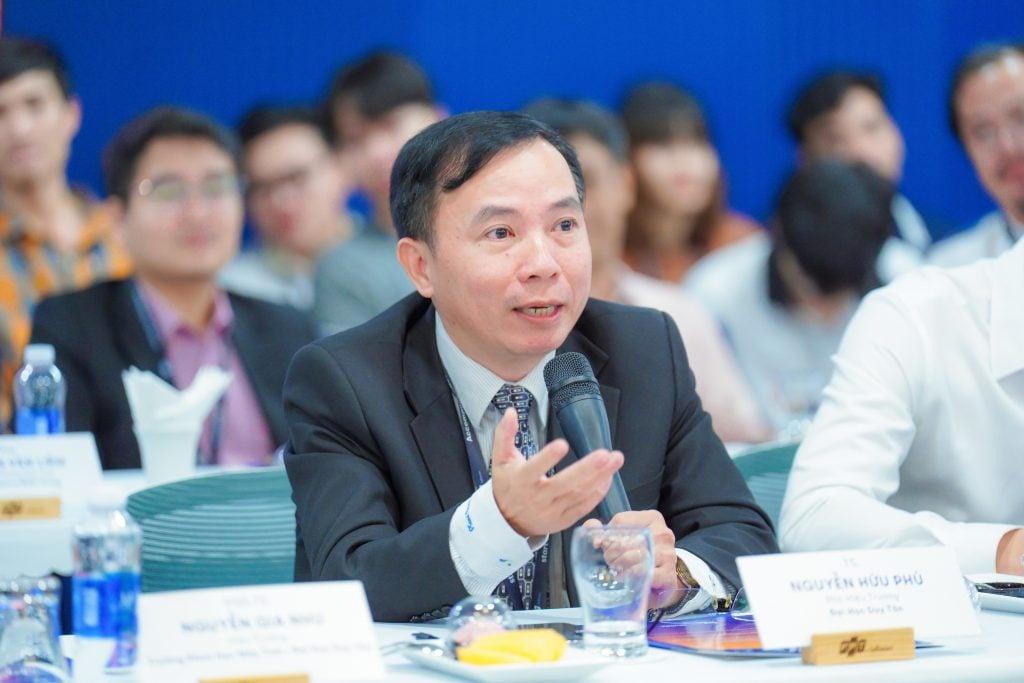
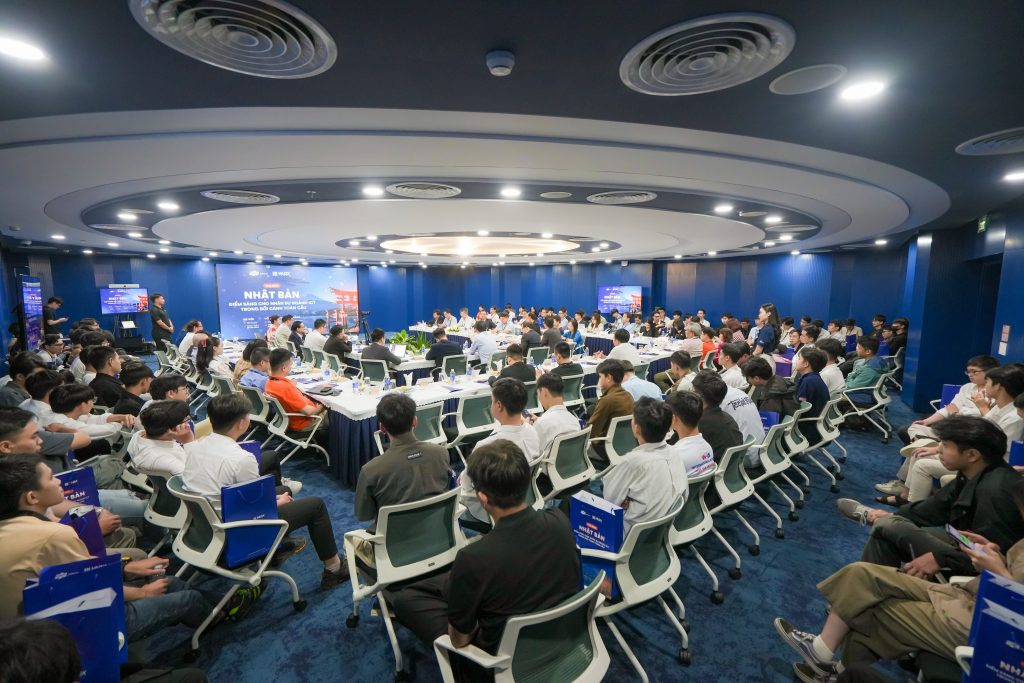
Previously, the series of events had been successfully organized in Hanoi and Ho Chi Minh City. FSOFT representatives participating in the program in Da Nang included Nguyen Tuan Phuong – Chairman of FSOFT Central Region, Le Hong Linh – Director of FSOFT Central Region, Pham Duc Manh – Head of FPT Japan Resource Assurance Department, and FSOFT software unit managers. Additionally, the program welcomed the participation of company leaders from the Vietnam – Japan Digital Transformation Association (VADX) along with more than 200 guests, including the Board of Directors, lecturers, and students from technology universities in the Central region such as: Da Nang University of Technology, Duy Tan University, FPT University, Hue University of Science…
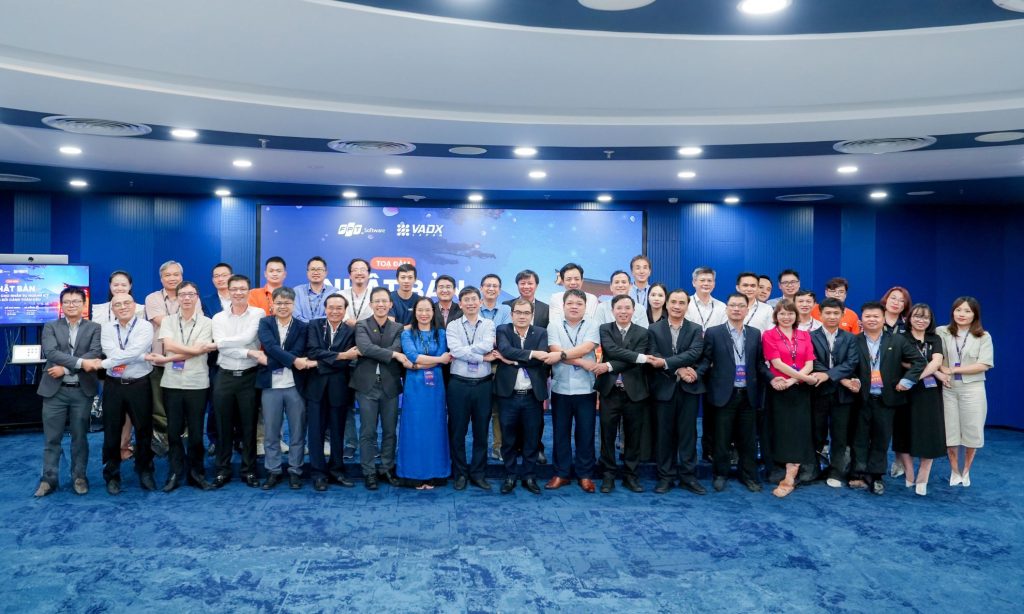
Here, Nguyen Tuan Phuong shared FSOFT’s story of Dong Du from the end of 2000 and affirmed that FSOFT understands the opportunities of learning Japanese for ICT resources. Besides the internal training program, FSOFT also creates opportunities for onsite employees to learn from customers and programmers from Japan. He believes that Japan is a strategic partner that helps Vietnam expand ICT career opportunities. Businesses and schools need to connect to create the best resources, creating economic development momentum for both Vietnam and Japan.
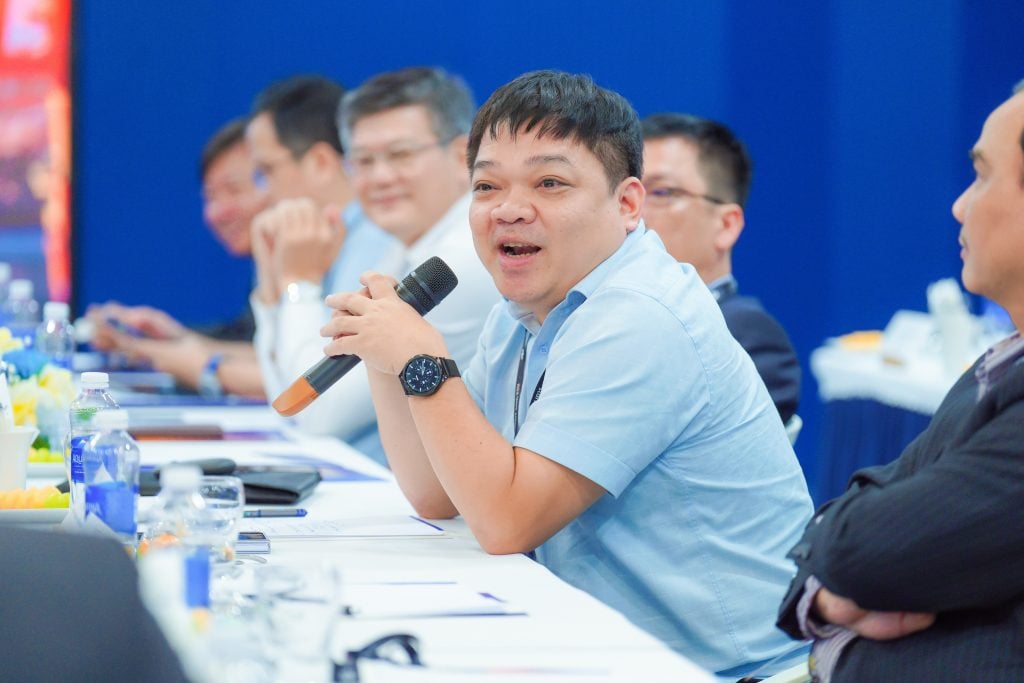

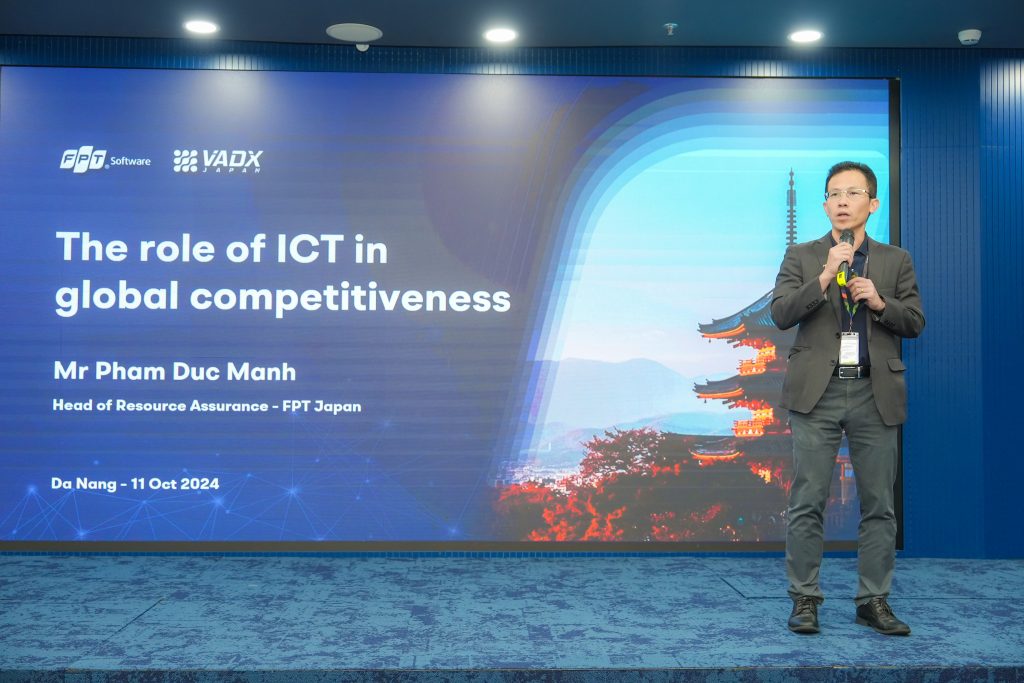
Having been attached to the Japanese market since 2005, Pham Duc Manh assessed the position of Asia and Japan in the context of the global ICT industry. Currently, the two ICT powers China and India are aiming to use internal resources, not outsourcing from outside. By 2030, Japan will lack 790,000 young quality ICT personnel due to the high aging population rate. This is an opportunity for the Vietnamese ICT community to penetrate deeper into the Japanese market. Besides programs encouraging the training of internal ICT resources, FSOFT also links with Vietnamese ICT companies to establish the Vietnam – Japan Digital Transformation Association (VADX) to provide ICT resource development directions and create an active and effective Japanese language and culture learning environment. From there, ICT engineers have enough baggage to seize golden opportunities, improve their Japanese language skills, and contribute to affirming the position of Vietnam’s ICT industry in Japan.
Agreeing with Manh’s sharing, Vuong Quang Hung – Deputy General Director of Rikkeisoft shared the demand for Japanese-speaking resources in technology enterprises in Vietnam. He affirmed: “70% of the work at Rikkeisoft comes from the Japanese market. Vietnam is a bright spot providing ICT resources for Japan. The Japanese government creates all favorable conditions to help ICT engineers feel secure in their careers. For engineers with good Japanese proficiency, the starting salary and promotion opportunities are always 30 to 40% higher”.
At the program, Assoc. Prof. Dr. Nguyen Huu Hieu – Rector of Da Nang University of Technology shared about the current situation of training Japanese-speaking ICT resources at the school. Since September 2015, the school has been teaching 30 specialized Japanese ICT students. 100% of them have stable jobs at companies in the Japanese market after graduation. This year, the school cooperates with local IT companies to teach Japanese language and culture to students. Additionally, the school applies the project by learning module (projects implemented at enterprises), coordinating software engineers and teachers to guide projects from a real enterprise project. “However, we face difficulties in connecting foreign language culture. The school hopes to cooperate with businesses in Da Nang to train ICT resources not only for the locality but also to widely spread the training model to other regions and abroad,” he shared.
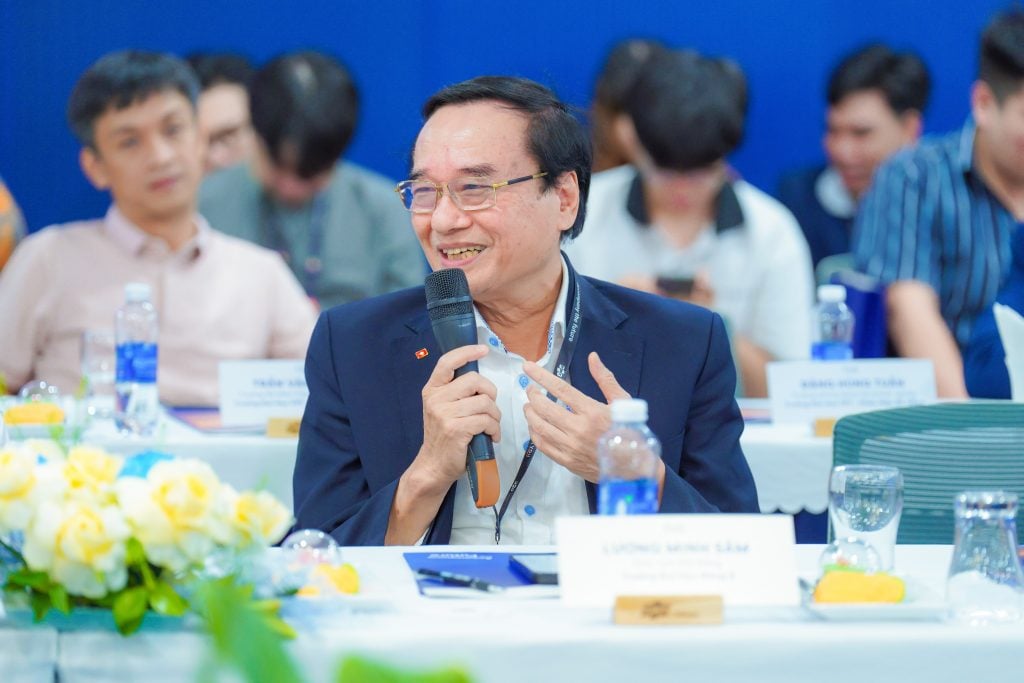
Luong Minh Sam – Chairman of the Council of Dong A University hopes that IT enterprises can promote language and culture training for students from the first year. “I hope FSOFT’s Japanese lecturers can come and interact with students so that they can learn and pronounce like native speakers,” he shared.
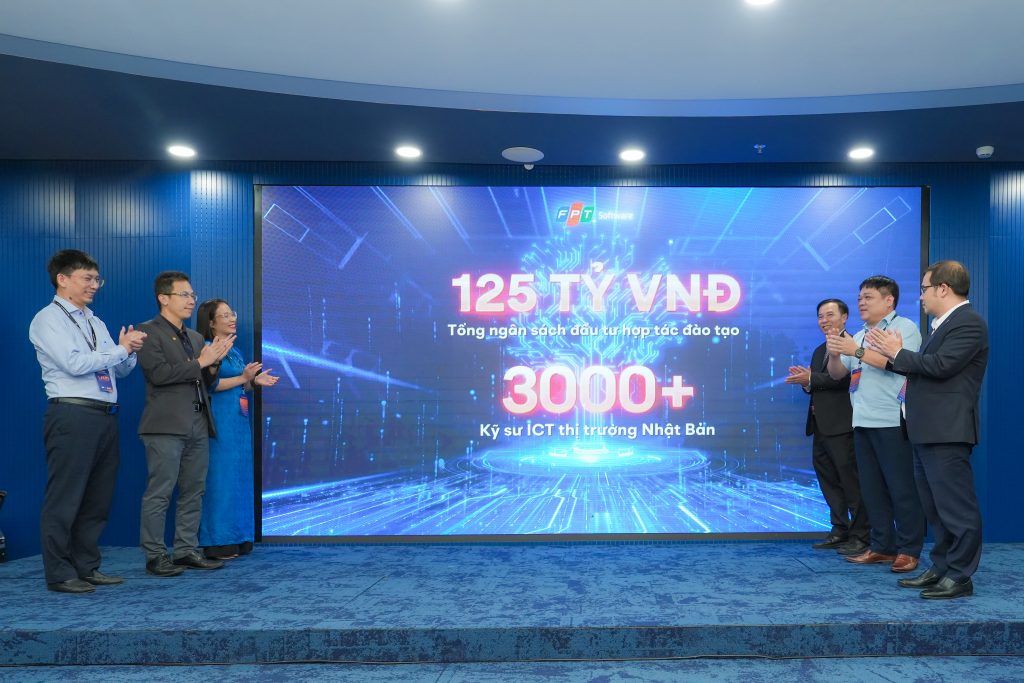
Within the framework of the event, FSOFT re-announced the investment package of 125 billion VND to train Japanese-speaking ICT resources to encourage students to choose to learn Japanese and nurture their dream of working for the Japanese market. From 2024 to 2026, FSOFT will promote cooperation with universities and reputable Japanese language centers across the country, jointly training Japanese for ICT students. The program aims for students to achieve at least N3 certification upon graduation, ready to meet job requirements in Japan.
Currently, 15 universities and ICT training institutions across the country have participated in this program and will continue to expand both the scale of cooperation and the number of schools. Each year, FSOFT is expected to award more than 500 scholarships to ICT talents at universities.